Economical Senior Care Services: Supporting Peace of Mind and Security at Home
Affordable elderly assistance programs are crucial in helping the aging population. These alternatives, offering in-home services and community programs, enable seniors to stay independent while receiving essential assistance. Families often encounter obstacles in picking the right form of care. Learning about the various programs available and their implications can greatly impact an elderly person's quality of life. Investigating important factors in the decision process may reveal remarkable discoveries. What considerations should families focus on to assure the highest care?
Selection of Economical Elderly Care Options
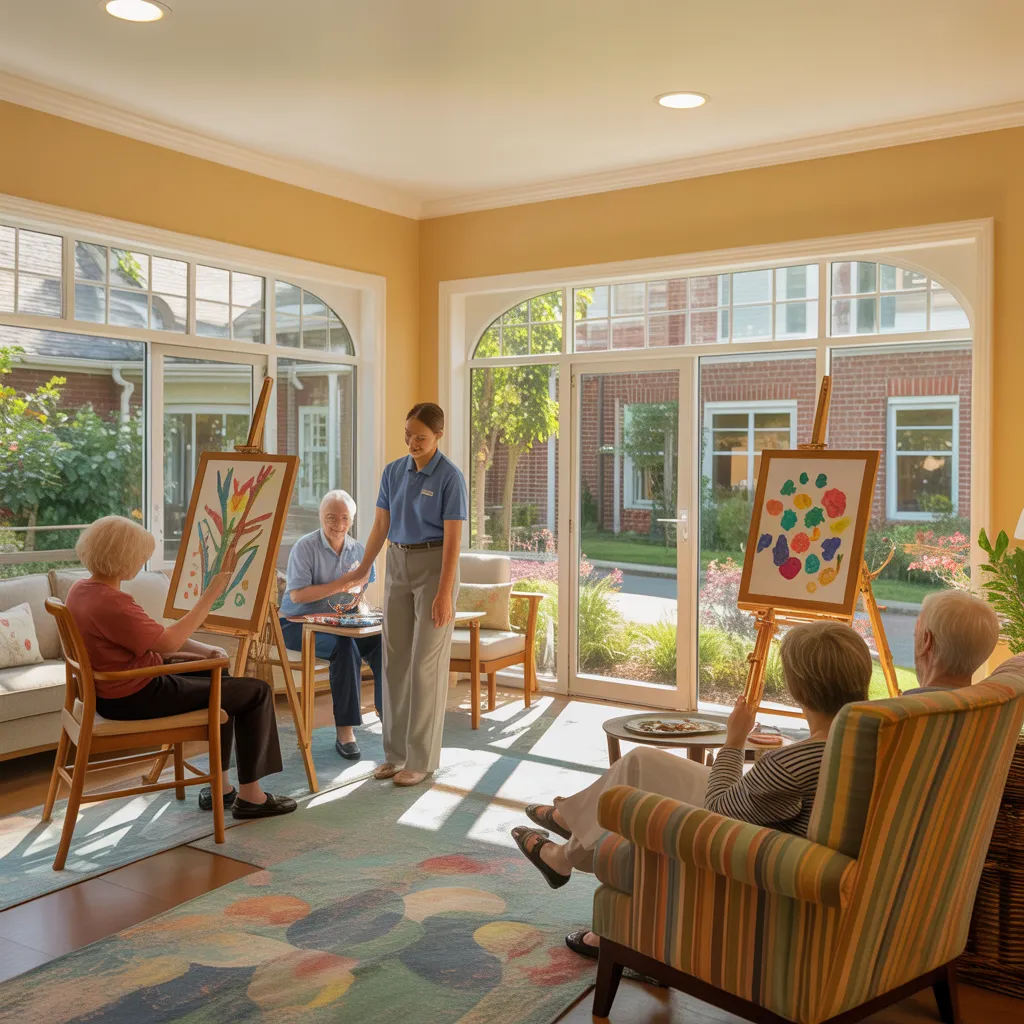
Affordable elderly care assistance cover a wide range of choices tailored to fit the diverse needs of older adults. These offerings generally include in-home care, involving help with daily tasks such as bathing, preparing meals, and managing medications. Another alternative is adult day care, which provides a secure setting for seniors during the day, letting caregivers have respite while providing social interaction and activities for those attending. Moreover, community-based services, including transportation and meal delivery, increase seniors' independence by helping them stay connected to their communities. Respite care is also provided, offering family caregivers temporary relief while ensuring their loved ones receive essential support. Lastly, senior centers frequently provide programs that encourage health, wellness, and social involvement, fostering belonging. These diverse options enable families to select the most appropriate care solutions based on personal needs and financial circumstances.
Tips for Choosing Between Home Care and Assisted Living?
When deciding on the best care option for an older loved one, how does one evaluate the benefits of home care versus assisted living? Home care allows seniors the chance to remain in a familiar environment, supporting comfort and emotional well-being. Caregivers offer personalized support, from companionship to medical assistance, tailored to suit individual needs. This option often encourages independence, allowing seniors to maintain their daily routines.
Conversely, assisted living facilities offer extensive services, such as meals, social activities, and 24/7 monitoring. This setting encourages social interaction and engagement, which can be beneficial for mental health.
Ultimately, the determination centers on the senior's physical condition, level of independence, and individual choices. Families should examine the degree of care necessary, financial implications, and the senior's desire for community versus home comfort. A comprehensive review of these considerations will lead families to the most fitting option for their family member's wellbeing.
Main Indicators for Judging Excellence in Senior Care Programs
When evaluating elderly care providers, several key factors surface as indicators of quality. Caregiver qualifications and training play an essential role in ensuring competent support, while stringent safety standards and procedures are essential for upholding a safe environment. Additionally, personalized care plans can greatly enhance the well-being of seniors by fulfilling their distinct needs and wishes.
Support Worker Credentials And Instruction
Although the availability of empathetic care providers is crucial, their qualifications and training significantly influence the standard of senior care services. Care professionals should possess appropriate qualifications and academic credentials in areas including nursing, geriatric care, or social work. Training programs that focus on practical skills, communication, and empathy are critical for quality care delivery. Continuous career advancement ensures that caregivers stay updated on leading standards and changing requirements of seniors. Background checks and references additionally strengthen trustworthiness, offering peace of mind to families. Ultimately, well-trained caregivers not only deliver essential daily support but also create a comforting environment, encouraging both physical and emotional well-being. Evaluating these qualifications can significantly affect the total standard of support provided by seniors at home.
Safety Protocols And Procedures
How can families guarantee their loved ones are safe while receiving elderly care? Establishing robust safety measures and guidelines is crucial. This includes frequent safety assessments of the home environment, verifying it is free from risks like disorganization or inadequate lighting. Caregivers should have defined protocols for emergencies, including direct communication channels and readily available emergency contacts. Regular training sessions for caregivers on safety practices enhance their preparedness. Additionally, families should confirm that elderly care providers comply with local regulations and standards, which often include safety guidelines. Overseeing the implementation of these procedures enables families ascertain that their loved ones obtain assistance in a secure and protected environment, eventually promoting their welfare and peace of mind.
Individual Wellness Strategies
Customized care plans play a vital role in ensuring explore the details that senior care services fulfill the individual needs of each person. These plans are adapted to encompass various aspects of a senior's life, including medical, emotional, and social needs. Assessment commences with a detailed evaluation by healthcare professionals, who assess medical history, current health status, and personal preferences. Effective communication among caregivers, family members, and the senior is important for forming a plan that promotes independence and enhances quality of life. Regular reviews and adjustments to the care plan verify that it remains relevant as circumstances shift. This proactive approach not only supports physical health but also encourages emotional well-being, ultimately resulting in a more fulfilling and dignified life at home.
How to Obtain Financial Aid for Senior Care?
To obtain financial aid for senior care, comprehending the selection of options accessible to families is critical. Government aid programs, nonprofit entities, and coverage options can considerably decrease the financial strain. Looking into these possibilities is key to securing access to quality care affordably.
Government Services Initiatives
Many households are met with the intimidating obstacle of funding senior care, regularly accessing government assistance programs for aid. They provide important financial assistance to help pay for in-home care, adult day care, and nursing facility costs. Examples include Medicaid, Medicare, and Veterans Administration benefits, which offer different types of aid depending on eligibility. To apply, families must go through local and state agencies and collect required documentation, such as income and asset details. Comprehending the criteria for each program is vital; some may sponsor certain services, and others limit eligibility based on income. Collaborating with a financial advisor or senior care navigator can guide families through this intricate process, ensuring they maximize resources for their loved ones’ care.
Nonprofit Support Offered
While working through the complexities of elderly care costs, families often overlook important charitable organizations that can offer substantial monetary support. Many groups focus on assisting seniors and their families, providing grants, scholarships, and services customized for specific situations. Local nonprofits may provide funding for residential improvements, travel services, or domestic caregiving support, reducing financial burdens. Additionally, national organizations like the Area Agencies on Aging can link households with local resources, guaranteeing availability to vital assistance. Working alongside these nonprofits not only enhances care options but also opens doors to local initiatives designed to improve seniors' standard of living. Families are encouraged to investigate and make contact, as these resources can significantly reduce the monetary pressure associated with senior care.
Insurance Products Interpreted
Steering through the landscape of senior care financing often leads households to assess various coverage choices that can deliver essential monetary assistance. Extended care coverage is a primary choice, providing services like home-based assistance and supportive housing. Families may also explore Medicare, which provides restricted coverage for skilled nursing and domestic healthcare, but typically does not cover long-term care. Medicaid, on the other hand, can be an important resource for economically disadvantaged seniors, offering comprehensive assistance for those who qualify. Additionally, some life insurance policies may offer living benefits or expedited payout options for extended care costs. Understanding these alternatives enables families to make educated choices, ensuring that their loved ones receive the necessary care without excessive financial burden.
Ways to Leverage Community Resources for Cost-Effective Senior Care
Many community resources exist to help families access affordable senior care possibilities. Local government programs often extend assistance by way of subsidized programs, including meal delivery and transportation. Area Agencies on Aging serve as valuable hubs for information, bringing together families with available resources and care assistance adapted to seniors' needs.
Nonprofit entities often offer programs that can reduce the economic strain of medical care, such as volunteer companionship and property maintenance help. Furthermore, faith-based groups may deliver services or funding to enable seniors remain in their homes.
Families can also examine senior centers that often present activities, workshops, and resources for caregivers, promoting social support. Collaborating with other families through community forums can reveal undiscovered resources and shared experiences. By capitalizing on these community assets, families can greatly trim the costs concerning senior care while securing their loved ones receive the support they need.
Ensuring a Comfortable Movement for Your Aging Loved One
Leveraging community resources can significantly simplify the process of adapting to new care plans for aging loved ones. Local groups often provide support services such as transit services, food services, and social activities, which can enhance the standard of living. Establishing a routine is crucial; familiarity can help alleviate stress during this transition.
Participating the aging individual in decisions about their care produces a sense of control and respect. Fostering transparent dialogue about their needs and preferences can also facilitate a easier adjustment.
Additionally, creating a pleasant and familiar setting at home, enriched with personal belongings and photographs, can provide emotional assistance. Regular contact with loved ones can also boost their morale, making the shift appear less isolating. Through utilizing these strategies, households can help their loved ones in handling this major life transition with heightened confidence and comfort.
Regular Inquiries Asked Often
What Skills Ought to Senior Care Professionals Maintain for Senior Support Services?
Caregivers for elder care operations should possess necessary certifications, familiarity with elderly care, robust communication abilities, emotional intelligence, and the ability to perform tasks such as medicine administration, assistance with personal cleanliness, and mobility support for clients.
How Should Families Inspect the Standard of Service Being Delivered at Home?
Families can monitor service excellence by frequently connecting with caregivers, conducting home visits, observing interactions, and keeping comprehensive documentation of services received. Input from seniors can also provide valuable insights into their overall satisfaction and health status.
What Are the Warning Signs That an Senior Requires Additional Support?
Signs that a elderly person needs additional assistance include increased forgetfulness, trouble performing everyday tasks, noticeable weight loss, recurrent stumbling, pulling away from social engagements, and changes in mood or behavior, indicating a deterioration in their overall well-being.
Is Advanced systems Beneficial for Caring for seniors at Home?
Technology may considerably help in residential elderly care by introducing remote monitoring, pharmaceutical alerts, and emergency response systems. Such resources strengthen safety, support autonomy, and empower care providers to supply urgent help when called for.
What Essential Documents Must Families Put in Place for Elder Care Determinations?
Families should create essential legal documents such as durable power of attorney, healthcare proxy, living wills, and guardianship papers. These documents ensure informed decision-making and safeguard seniors' rights and preferences in healthcare management.